Wyoming service under W.R.C.P. 4. Sheriff or non-party adult 18+. 23 counties. UIDDA-equivalent at W.R.C.P. 28(c); UFDA at Wyo. Stat. § 1-12-115.
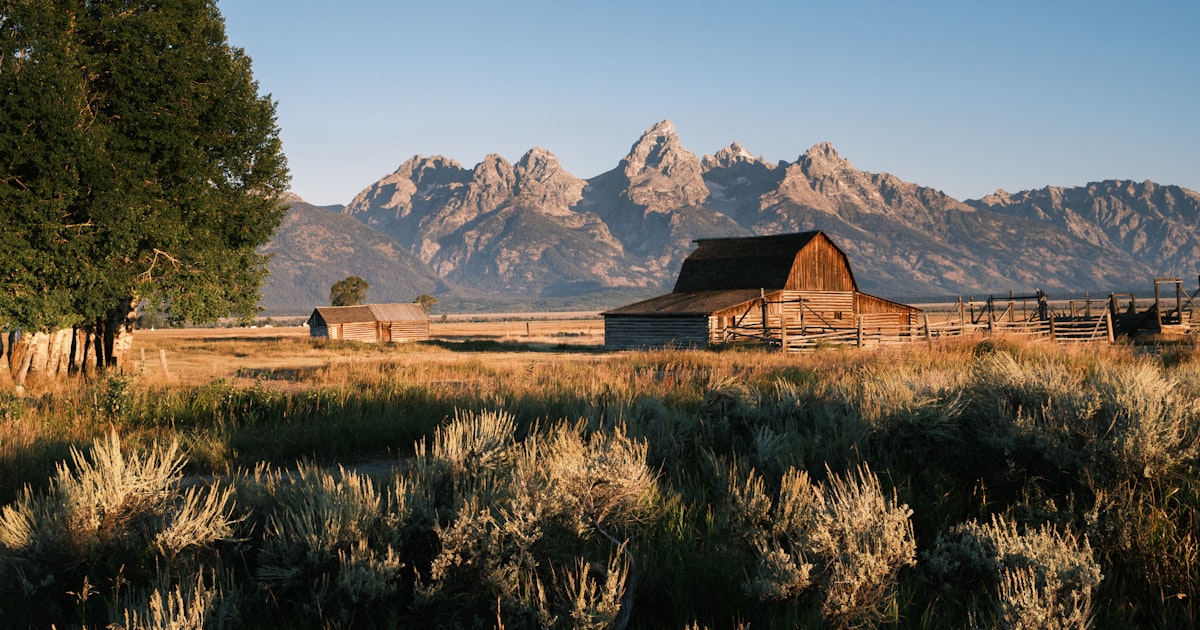
Wyoming is the least populous U.S. state but covers enormous geographic area — larger than Great Britain, with fewer residents than Milwaukee. Civil-filing volume is concentrated in Cheyenne (Laramie County, the state capital and home to the Wyoming Supreme Court), Casper (Natrona County, the oil-and-gas hub of central Wyoming), Laramie (Albany County, home to the University of Wyoming), Gillette (Campbell County, the heart of the Powder River Basin coal country), and Jackson (Teton County, the resort community and gateway to Grand Teton and Yellowstone). Wyoming's 23 counties are organized into 9 judicial districts, and the vast distances between county seats (a Sheridan attorney traveling to an Evanston witness may face a full-day drive each direction) shape service logistics substantially. Service is governed by the Wyoming Rules of Civil Procedure 4.
This is practical guidance, not legal advice. Wyoming service of process rules are found in the Wyoming Rules of Civil Procedure, principally W.R.C.P. 4; interstate-discovery procedure under W.R.C.P. 28(c) (rule-based UIDDA-equivalent) and the older UFDA at Wyo. Stat. Ann. § 1-12-115. For service of process nationwide, Served 123 LLC handles Wyoming and all 49 other states with qualified servers.
Under W.R.C.P. 4(d), service may be made by the sheriff of the county where service occurs, a deputy, or any other person who is at least 18 years of age and not a party to the action. Wyoming does not license private process servers at the state level. Given Wyoming's geography, served-across-county cases often benefit from a single server with statewide coverage rather than multiple county-specific servers — the travel math favors consolidation.
Personal service under W.R.C.P. 4(d)(1)(A) is accomplished by delivering a copy of the summons and complaint to the individual personally. Wyoming follows the traditional refused-acceptance rule.
Substituted service under W.R.C.P. 4(d)(1)(B) is made at the individual's dwelling or usual place of abode with some person of suitable age and discretion residing therein. Wyoming interprets "suitable age" at 18 or older. For defendants with ranch operations where multiple adults reside across a spread of buildings (main house, bunkhouse, ranch-hand quarters), the affidavit should identify the person served, the specific building where service occurred, and the residency relationship carefully.
W.R.C.P. 4(l) authorizes service by certified mail, return receipt requested, with restricted delivery to the addressee. Service is complete on the signed receipt. Wyoming's mail service is particularly useful given the state's geography — a Cheyenne plaintiff can serve a Jackson or Evanston defendant by certified mail without coordinating multi-county travel.
Under W.R.C.P. 4(d)(2), service on a corporation is made on an officer, director, managing or general agent, or registered agent. Wyoming Statutes Title 17 requires all corporations authorized to transact business in Wyoming to maintain a registered agent with the Wyoming Secretary of State. Wyoming is notable among states for its business-friendly corporate environment, and significant numbers of Wyoming LLCs are formed by out-of-state owners specifically for asset-protection or privacy reasons. The Secretary of State's business-entity search database is the authoritative registered-agent reference.
W.R.C.P. 4(e) permits service outside Wyoming under the long-arm jurisdiction of Wyo. Stat. § 5-1-107. Service is made in any manner prescribed for in-state service or in accordance with the law of the place where service is made. Wyoming's long-arm reaches to the constitutional limits.
Service by publication under W.R.C.P. 4(g) requires a court order based on affidavit showing that after diligent inquiry the defendant cannot be served personally. Publication runs once a week for four consecutive weeks in a newspaper of general circulation in the county where the action is pending.
Wyoming's treatment of interstate-discovery procedure is nuanced and has caused practitioner confusion. Wyoming did not enact a statutory UIDDA in the way most states did, but it maintains W.R.C.P. 28(c) as a rule-based mechanism that functions similarly. Some authoritative sources treat Wyoming as a UIDDA jurisdiction on the strength of W.R.C.P. 28(c); other sources list Wyoming as a non-UIDDA state, noting the older Uniform Foreign Depositions Law codified at Wyo. Stat. Ann. § 1-12-115 is still on the books. Wyoming does not appear on the Uniform Law Commission's current pending-UIDDA legislation tracker, which supports the W.R.C.P. 28(c) rule-based interpretation. Practical guidance: out-of-state counsel should verify current procedure directly with the Wyoming district court clerk where the witness is located before filing, cite W.R.C.P. 28(c) or Wyo. Stat. § 1-12-115 as applicable, and be prepared that some Wyoming judges may require a commission even when W.R.C.P. 28(c) appears to allow streamlined clerk-ministerial issuance.
Wyoming has no fixed 90-day service rule. W.R.C.P. 4(m) permits dismissal for failure to serve within a reasonable time. Diligent prosecution is required. Wyoming district courts generally accept service within 180 days before scrutinizing delay, though the geographic realities of the state can justify extended timelines with documentation.
The return of service under W.R.C.P. 4(l) must be filed promptly with the clerk of the district court. The return must state the date, time, place, and manner of service, and for substituted service must identify the person served and describe the residency relationship.
Served 123 LLC coordinates licensed process servers across every county in Wyoming, from Cheyenne and Laramie through Casper, Gillette, Rock Springs, Sheridan, Jackson, Cody, Rawlins, Riverton, and the rural ranching counties in between. We handle personal service, substituted service with detailed residency documentation for ranch-country cases, certified-mail service with proper restricted-delivery, corporate service through Wyoming Secretary of State registered-agent searches (including the many out-of-state-owned Wyoming LLCs formed for asset protection), publication motions, and court-ready returns filed promptly with the issuing district court. For foreign-subpoena matters, we verify current procedure with the relevant Wyoming district court before filing to confirm whether W.R.C.P. 28(c) clerk-ministerial issuance is available or a commission-based approach is required.
Need Wyoming service of process handled? Visit our Wyoming service of process page for pricing, coverage details, and a free quote.
No. Wyoming, like every other state, prohibits parties from serving their own process. The server must be an adult non-party or an authorized officer/licensed server per Wyoming rules.
Wyoming has no fixed 90-day deadline. W.R.C.P. 4(m) permits dismissal for failure to serve within a reasonable time. Diligent prosecution is required; district courts generally accept service within 180 days, with geographic realities sometimes justifying extended timelines.
Yes. W.R.C.P. 4(l) authorizes service by certified mail with return receipt requested and restricted delivery to the addressee. Mail service is particularly useful for cross-county service given Wyoming's geography — it can substitute for multi-day travel when the defendant's address is known.
Service on a corporation in Wyoming is made on an officer, director, managing or general agent, or registered agent under W.R.C.P. 4(d)(2). All corporations must maintain a registered agent with the Wyoming Secretary of State under Title 17 — searchable through the Secretary's business-entity database. Wyoming LLCs are widely used for out-of-state asset-protection purposes; registered-agent service is the standard method.
Wyoming follows the majority refused-acceptance rule. The server may place the papers in the defendant's immediate presence after identifying the nature of the documents. Service is valid despite refusal.
Yes. W.R.C.P. 4(e) permits service outside Wyoming under the long-arm jurisdiction of Wyo. Stat. § 5-1-107. Service is made in any manner prescribed for in-state service or in accordance with the law of the place where service is made. Wyoming long-arm extends to the constitutional limits.
Start with a skip trace, then move for service by publication on a court order supported by an affidavit documenting diligent inquiry. Publication runs once a week for four consecutive weeks in a newspaper of general circulation in the county where the action is pending.